
Feelings aren’t a side issue in childhood. They shape how a child learns, plays, reacts, and connects with other people.
When kids can understand what they feel and calm their bodies, life gets easier. They are more likely to do well in school, build steady friendships, and handle stress in healthy ways. That is why children’s emotional wellness belongs in every conversation about child development.
What emotional wellness means for a child
Emotional wellness is a child’s ability to notice feelings, name them, and handle them in age-appropriate ways. It also includes asking for help, trusting caring adults, and recovering after hard moments. In everyday life, it looks like a child saying “I’m mad,” taking a break, then trying again.
This is not separate from healthy growth. Feelings affect sleep, focus, behavior, and confidence, so emotional wellness is part of the whole child.
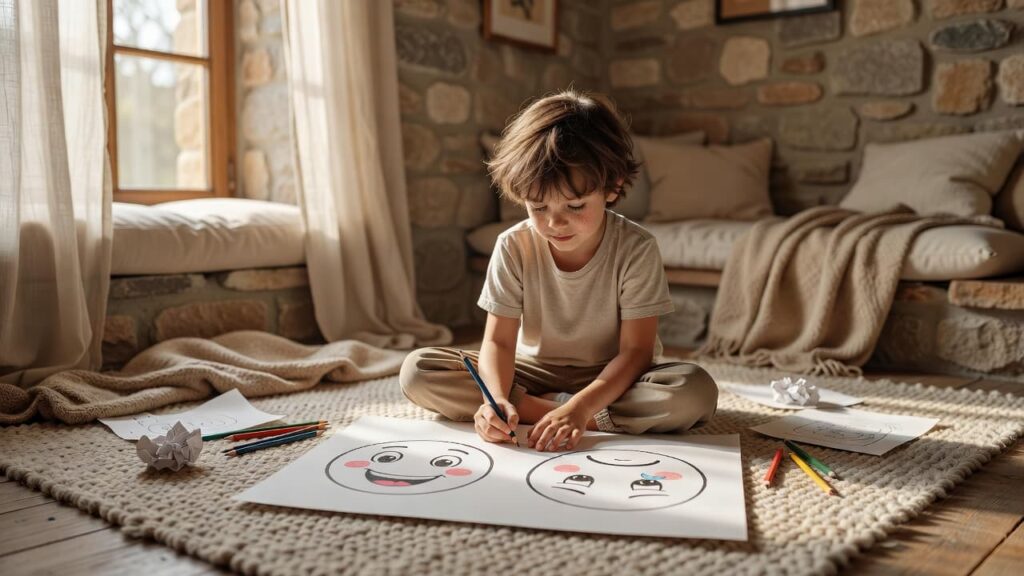
The building blocks of healthy emotional growth
Several basic skills help children grow emotionally. Self-awareness helps them notice what is happening inside. Self-control helps them pause before they hit, yell, or shut down. Confidence helps them believe they can face a problem, even when they don’t like it. Empathy helps them see that other people have feelings too. Coping skills give them ways to settle their bodies and thoughts.
Those skills don’t show up all at once. They grow through safe relationships, routines, and practice. A clear explanation in Penn State Better Kid Care’s emotional wellness guide describes emotional wellness as a child’s growing ability to feel, regulate, and express emotion. That is what adults see every day, at home, in school, and on the playground.
How emotional wellness looks at different ages
A toddler may have huge feelings and very few words. Crying, throwing, or clinging are common because the child still depends on adults to bring calm. Preschoolers start naming simple feelings like happy, sad, mad, or scared, yet they still need reminders and comfort.
By the school years, children can talk more about worry, embarrassment, jealousy, and stress. They also begin to compare themselves with others, so setbacks can sting more. Kids don’t outgrow feelings; they grow into better ways to handle them.
How emotional wellness helps children learn and succeed in school
School asks a lot of children each day. They must listen, wait, switch tasks, solve problems, and keep going after mistakes. All of that depends on emotional skills as much as academic ones.
Why calm minds learn better
A child who feels safe can focus on the lesson in front of them. On the other hand, a child who feels scared, sad, or overwhelmed may spend most of that energy trying to get through the moment. Stress can make it harder to pay attention, remember directions, and stay organized.
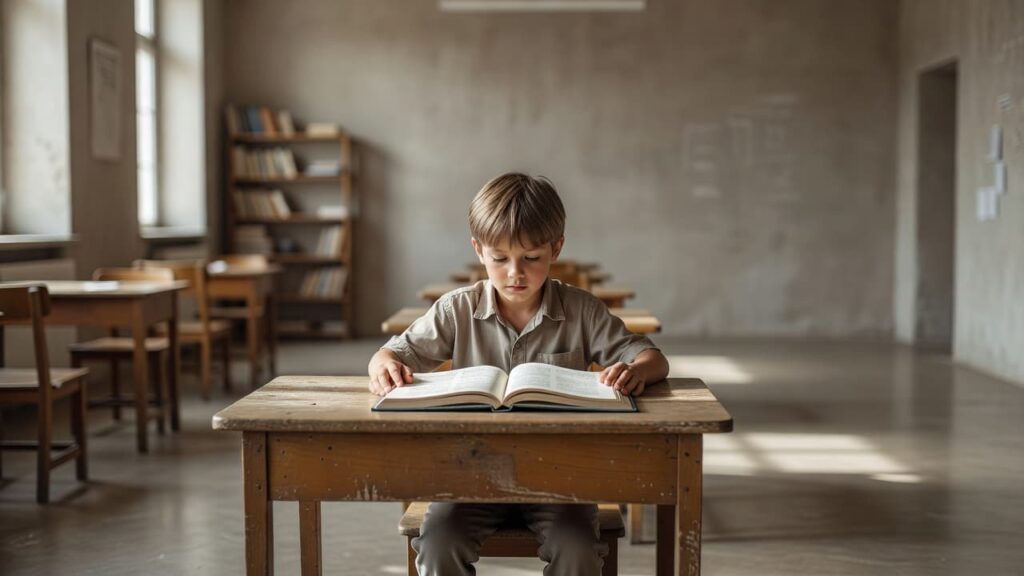
Federal guidance in ChildCare.gov’s page on children’s well-being points out that emotional well-being supports how children grow, learn, and build everyday skills. That connection shows up in simple ways. A calm child can sit with frustration longer, ask a question, and return to work after a problem. A distressed child may freeze, rush, or give up.
The role of confidence in classroom participation
Confidence matters because school is full of small risks. A child may need to read aloud, join a group, or try a hard math problem. When emotional wellness is stronger, children are more likely to raise their hands, try new things, and recover after getting something wrong.
Mistakes still sting, of course. However, kids who trust their own coping skills don’t treat every mistake like a disaster. They can hear correction without feeling crushed. Over time, that leads to more class participation, better problem-solving, and a stronger sense that learning is something they can do.
Why emotional wellness shapes friendships, behavior, and family life
A child’s inner world shows up in every relationship. The way children talk, share, argue, and repair after conflict all connects back to emotional skills. Because of that, emotional wellness has a strong effect on family routines and peer relationships.
Friendship skills children build when feelings are supported
Friendship is not only about finding kids with the same interests. It also depends on empathy, patience, and respectful communication. A child who can read another person’s tone or face is more likely to share, take turns, and notice when a friend is upset.
Supported children also learn trust. They begin to understand that disagreements don’t have to end a friendship. For example, they can say, “I didn’t like that,” listen to a response, and keep playing. Those are small moments, yet they build the social habits that help children belong.
When big feelings turn into tough behavior
Sometimes emotional struggles look like behavior problems first. A child may explode over a small change, refuse to get dressed, hide under a desk, or go silent after school. Adults can miss the message if they only react to the surface behavior.
Behavior often points to a feeling a child can’t yet put into words.
That doesn’t mean limits disappear. Children still need boundaries. Yet consequences work better when adults also ask what the behavior is saying. Hunger, worry, shame, sensory overload, grief, or trouble with peers can all come out sideways. When adults slow down and look deeper, children get help instead of only blame.
The long-term benefits of supporting emotional wellness early
Early emotional support matters because the skills children learn now stay with them later. A child who learns to name feelings, ask for help, and calm down has a stronger base for future stress, change, and disappointment.
How coping strength grows over time
Life keeps handing children new challenges. They face a hard test, a move, a friendship shift, or a big family change. Coping strength grows when they get repeated chances to handle smaller problems with support. Each time a child breathes through anger, uses words after tears, or tries again after failure, they build a pattern.
That pattern matters later. Kids who practice healthy coping early are often better prepared to handle pressure in middle school, high school, and adult life. They don’t avoid every hard feeling, and they don’t need to. They learn that feelings move, support exists, and hard moments can pass.
Why early support can have lasting effects
Emotional skills shape more than childhood behavior. They influence self-esteem, decision-making, relationships, and mental health over time. The American Academy of Pediatrics highlights four building blocks of emotional development, including steady relationships and problem-solving skills. Those building blocks help children grow into adults who can manage stress, communicate clearly, and form steady connections.
There is hopeful news here too. Emotional skills are learned, not fixed at birth. Even if a child struggles now, steady support can still make a real difference.
Simple ways adults can support a child’s emotional wellness
Children do not need perfect adults. They need adults who are present, steady, and willing to repair after hard moments. Small daily choices often matter more than big speeches.
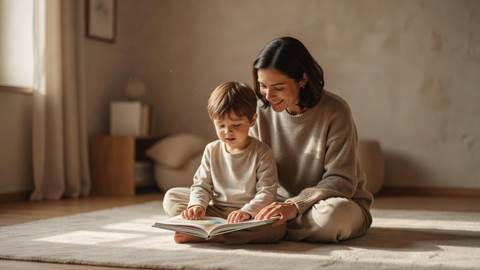
Small daily habits that make a big difference
Start with listening. When a child says, “I hate school,” pause before correcting or solving. Often the first need is to feel heard. You can also name feelings out loud: “You look disappointed,” or “That change felt hard.” Over time, children borrow that language and use it for themselves.
Routines help because they make the day feel more predictable. Bedtime, meals, school prep, and quiet time all support a child’s sense of safety. Reading stories about emotions can help too, especially for younger children who talk more easily through characters. In addition, simple choices build confidence. “Do you want the blue cup or the green one?” gives a child a small, safe way to practice control.
When to look for extra support
Sometimes a child needs more than home or classroom support. Lasting sadness, strong worry, major sleep problems, sudden behavior changes, frequent stomachaches with no clear cause, or a sharp drop in school performance are signs to take seriously. If those patterns stick around, talk with a pediatrician, school counselor, or licensed mental health professional.
Getting help is not a sign that anyone failed. It is one more way to care for a child. Early support can ease distress, give adults better tools, and help a child feel safer in their own mind and body.
Feelings shape the whole child
Every child is writing the story of who they are. When they learn to understand their feelings, that story becomes a little braver, a little kinder, and a lot more hopeful.
That is why emotional wellness matters so much. Kids do best when caring adults help them feel safe, heard, and understood, then stay close while those skills grow.
When I write stories like The Things We Hear or dream up adventures in Pickle Pond, I think often about emotional wellness.
Children don’t need perfect words.
They need stories that help them understand themselves.
Stories that whisper:
You belong.
Your feelings matter.
And your voice deserves to be heard.
Well said. Too often parents are too busy with life to consider the child is also busy with life but without the skills and knowledge to handle it. Children should be able to live without fear of trying to express what they do not understand.